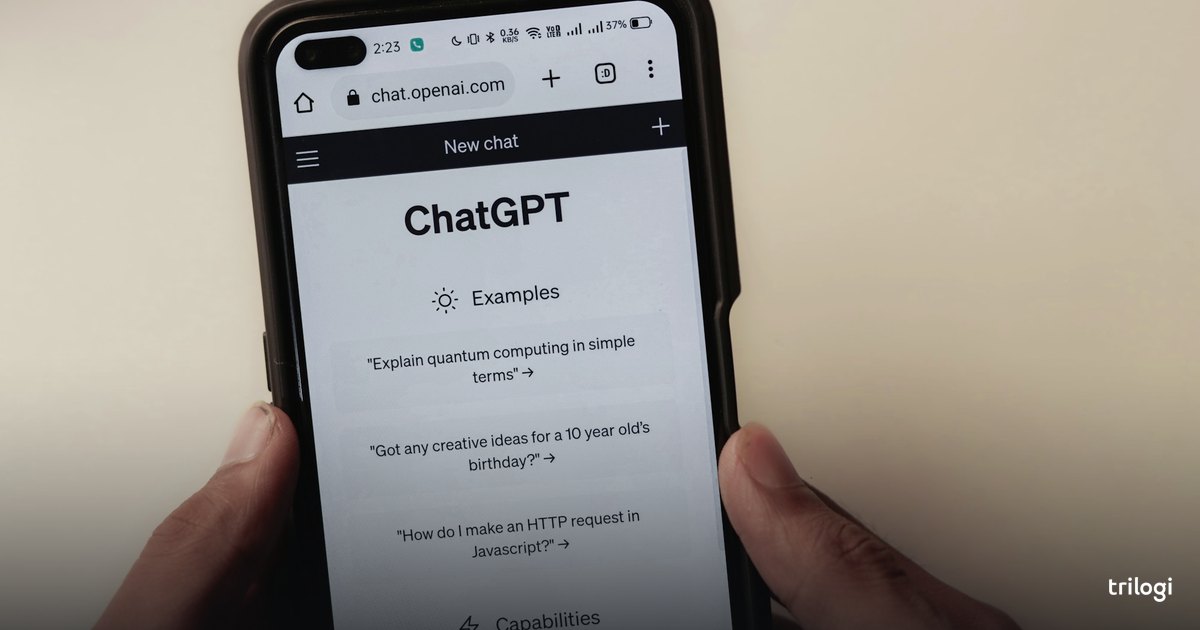
Since 30 October, ChatGPT ads can rewrite your copy, translate it, adjust your images and change the landing page without the advertiser reviewing it, because OpenAI has switched this option on by default. For any company already investing in or testing this channel, the decision is immediate: review your settings before your brand says something you have not approved, or before sales stop being attributed correctly.
What happened
OpenAI has switched on so-called “creative enhancements” by default in all ChatGPT Ads campaigns, both new and existing. With this option on, the system can adapt the ad to the conversation it appears in: rewrite headlines and descriptions or create new ones, translate the text into another language, crop or resize images, and choose which page on the advertiser’s website to send the user to.
These variations can run without prior review, and the ads manager does not show a preview of each version. The option can be turned off at any time in the account or campaign settings (the campaign setting overrides the account one), but it works as a single switch: there are no separate controls for copy, translations, images or landing pages.
Some open questions directly affect measurement. OpenAI recommends tagging each destination URL with tracking parameters, but does not clarify whether they are kept when the system changes the page. Nor does it explain whether specific pages can be excluded, or provide a report showing the results of each generated version.
Our take: automation is arriving before control
This is not an isolated case. Major advertising platforms have long been shifting decisions from the advertiser to the algorithm: bidding, audiences and now the message itself. The difference with ChatGPT is that the ad is embedded in a conversation, which multiplies the possible versions of what the brand “says”. It is a new channel still building its control tools, and turning automation on by default shifts the responsibility for monitoring it to the advertiser.
For leadership, the takeaway is clear: in AI channels, default settings are decided by the platform with its overall performance in mind, not your brand or your margin.
Why it matters to your business
There are three concrete risks. The first is brand: a rewritten headline may promise something you do not offer, use a tone that is not yours, or be poorly translated in a sensitive market. The second is commercial: if the system sends users to a different page than planned, they may land on an out-of-stock product, an expired offer or a page that does not convert. The third is measurement: if tracking parameters are lost, sales generated by the channel may show up as direct traffic, making the investment look less profitable than it is, or the other way round.
An illustrative example: a fashion brand launches a sale campaign with a dedicated landing page. If the system decides to send part of the clicks to the general category page without the campaign parameters, the report will show fewer sales than were actually made, and the team might cut a channel that was in fact working.
What to do now
- Review today the settings of your account and each active ChatGPT Ads campaign, and make a deliberate decision on whether enhancements stay on.
- Turn them off while you validate that generated messages respect your brand and that tracking is preserved.
- Check in your analytics that clicks from the channel arrive with their tags and on the intended pages.
- If you switch them back on, do it in a test campaign with a control group, to measure the real effect on sales, not just on clicks.
How we approach it at TRILOGI
When a client enters a new advertising channel such as ChatGPT Ads, our first task is not to launch ads but to set the rules: what the platform may automate, what it may not, and how we will measure it. In this case, we would switch off creative enhancements at launch, define the permitted landing pages and verify that every click carries its tag all the way to the sale. We would then test the automation in a controlled campaign and only extend it if it improves cost per sale.
That is how we manage paid media: every channel, new or established, is managed for profitability rather than click volume, with brand and measurement under the client’s control.
Every Tuesday, the 5 news stories that matter: subscribe to the newsletter.